
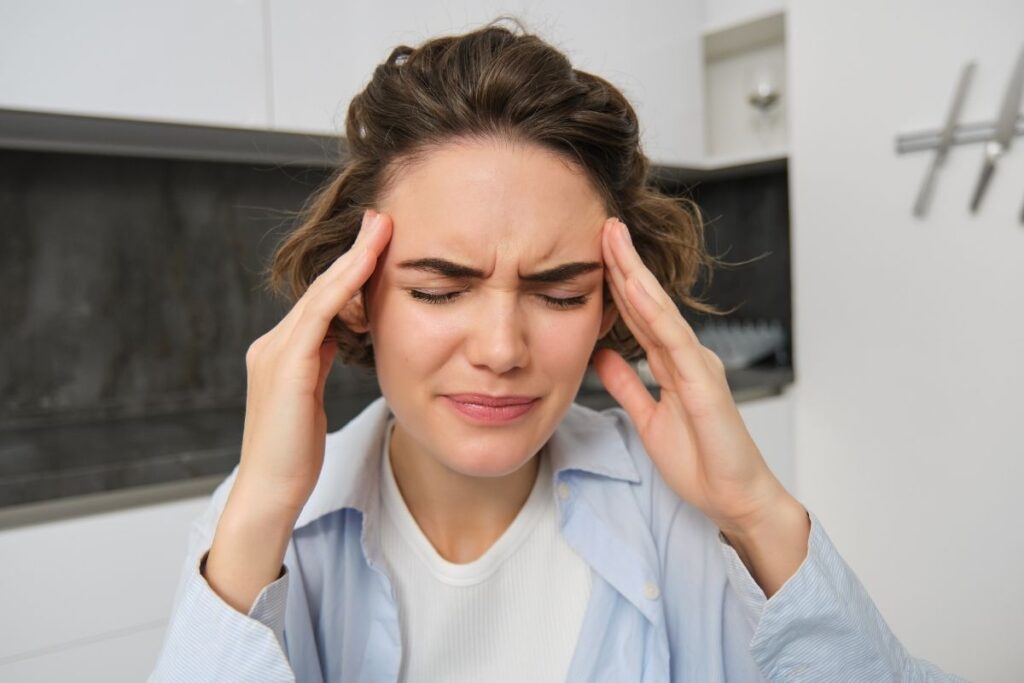
If you deal with frequent headaches and cannot find a clear cause, your bite may be part of the problem. When your upper and lower teeth do not fit together properly, the muscles and joints that control your jaw can work harder than they should. That extra strain may contribute to headaches, facial discomfort, and tension around your temples. While not every headache is linked to your bite, it is worth having your smile evaluated if the pain keeps returning without another explanation.
What Is a Bad Bite?
A bad bite, also called a malocclusion, happens when the teeth or jaws do not align correctly. Some people are born with bite problems, while others develop them over time because of habits, injury, or changes in tooth position.
Common bite concerns include:
- Overbite
- Underbite
- Crossbite
- Open bite
- Crowded or spaced teeth
These issues can affect more than your smile. They may also change how your jaw functions throughout the day.
How Can a Bad Bite Trigger Headaches?
Every time you chew, speak, or clench your teeth, your jaw muscles work together to create smooth movement. When your bite is uneven, those muscles may stay under constant stress. Over time, that tension can spread into your head, neck, and shoulders.
People with bite-related headaches often notice:
- Pain around the temples
- Morning headaches after sleeping
- Jaw soreness or stiffness
- Neck tension
- Clicking or popping when opening the mouth
Because these symptoms can overlap with migraines or sinus headaches, many people never realize their bite may be contributing to the discomfort.
Other Signs Your Bite May Need Attention
Headaches are only one possible symptom. You may also experience:
- Uneven tooth wear
- Difficulty chewing certain foods
- Frequent jaw fatigue
- Teeth grinding during sleep
- Facial muscle soreness
- A feeling that your teeth do not fit together comfortably
If several of these signs occur together, it is a good idea to schedule a professional evaluation.
Can Correcting Your Bite Help?
In many cases, improving bite alignment reduces unnecessary stress on the jaw muscles and joints. If your headaches are related to bite imbalance, addressing the underlying issue may lessen their frequency or intensity.
After a thorough examination, your provider will determine whether orthodontic treatment could improve your bite and support healthier jaw function. The right approach depends on your specific alignment, symptoms, and overall oral health.
Keep in mind that headaches can have many causes, including stress, dehydration, vision problems, and medical conditions. A complete evaluation helps identify whether your bite is playing a role.
When Should You Seek an Evaluation?
Consider scheduling an appointment if you have:
- Recurring headaches without a clear explanation
- Jaw discomfort that continues for several weeks
- Difficulty opening or closing your mouth comfortably
- Noticeable changes in the way your teeth come together
- Persistent teeth grinding or clenching
Early evaluation may prevent additional wear on your teeth while helping identify the source of ongoing discomfort.
Give Your Smile and Jaw the Attention They Deserve
If recurring headaches are affecting your daily life, it may be time to look beyond the usual causes. The team at Eldorado Orthodontics proudly serves patients in McKinney with personalized evaluations to determine whether bite alignment is contributing to jaw strain and headaches. Visit Eldorado Orthodontics to schedule your consultation and take the first step toward greater comfort in McKinney.
Frequently Asked Questions :
Can a bad bite really cause headaches?
Yes. An uneven bite can place extra stress on the jaw muscles and joints, which may contribute to recurring headaches in some people.
How do I know if my headaches are related to my bite?
Headaches that occur with jaw pain, clicking, teeth grinding, or facial muscle tension may be associated with bite problems. An examination can help determine the cause.
Will fixing my bite make my headaches go away?
If your headaches are linked to bite alignment, correcting the underlying issue may reduce their frequency or severity. Results vary from person to person.
Are bite-related headaches more common in adults?
They can occur at any age, although adults may notice symptoms more often because of long-term wear, clenching, or untreated alignment issues.
Should I see an orthodontic specialist for recurring jaw pain?
If jaw discomfort accompanies headaches or changes in your bite, a professional evaluation can help determine whether your alignment is contributing to the problem.