
A straight smile does more than boost confidence. It supports better oral health, improves bite function, and can even make daily hygiene easier. Many people have heard of braces, but fewer understand what they actually do behind the scenes. If you have been considering treatment or exploring options for yourself or your child, it helps to know how everything works before getting started.
In simple terms, dental braces are designed to gently guide your teeth into better positions over time. They apply controlled pressure, which gradually reshapes how your teeth sit in your mouth and how your bite comes together.
What Are Braces?
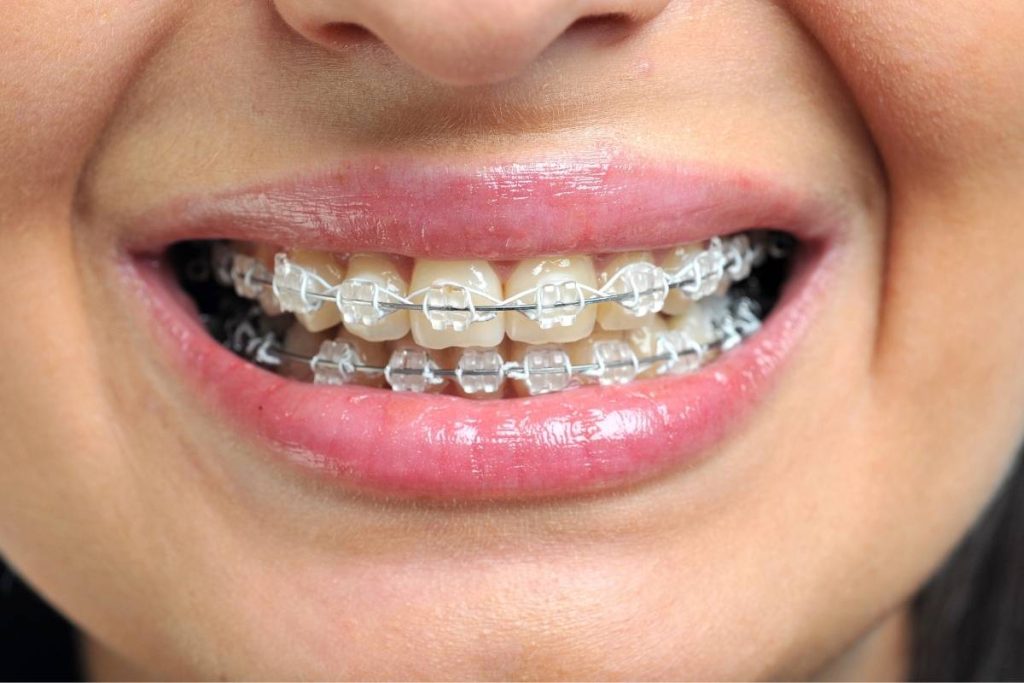
Braces are orthodontic devices used to correct misaligned teeth and jaw issues. They are made up of several small components that work together to move teeth in a precise and controlled way.
Main Parts of Braces
Brackets
These are small attachments bonded to the front of each tooth. They act as anchors that hold the system in place.
Archwire
This thin metal wire connects all the brackets. It is responsible for applying steady pressure to guide teeth into alignment.
Bands and Elastics
Bands secure the wire, while elastics may be used to adjust how the upper and lower teeth fit together.
Types of Braces
There are a few common options available today:
Traditional Metal Braces
Strong, reliable, and widely used for all types of alignment issues.
Ceramic Braces
Tooth colored brackets that blend in more naturally with your smile.
Clear Aligners
Removable trays that gradually shift teeth without fixed brackets or wires.
How Do Braces Work?
Braces rely on a simple biological process. When steady pressure is applied to a tooth, the bone around it begins to remodel. This allows the tooth to move into a new position over time.
The Science Behind Tooth Movement
When pressure is placed on one side of a tooth, the bone in that area starts to break down. At the same time, new bone forms on the opposite side. This constant reshaping allows the tooth to shift safely and gradually.
Step-by-Step Process
Initial Placement
Your orthodontist places brackets and connects the archwire.
Adjustment Visits
Periodic visits allow for tightening or changing wires to keep progress on track.
Gradual Alignment
Teeth slowly move into their correct positions over several months or years.
Retention Phase
After braces are removed, retainers help keep teeth in their new alignment.
What to Expect During Treatment
Starting braces can feel like a big step, but knowing what to expect makes the process easier.
- Mild discomfort is normal in the first few days after adjustments
- Eating softer foods helps during the initial adjustment period
- Good brushing and flossing habits become even more important
- Regular checkups keep everything moving in the right direction
- Results improve steadily with consistency and care
Treatment time varies depending on the complexity of the case, but most patients begin noticing changes within a few months.
Why Braces Matter for Long-Term Health
Straight teeth are not just about appearance. Proper alignment helps reduce uneven wear, lowers the risk of gum problems, and makes cleaning easier. Addressing alignment early can also prevent more complex dental concerns later in life.
Ready to Take the First Step Toward a Better Smile?
A confident smile starts with the right guidance. If you are exploring braces treatment in McKinney, now is a great time to learn what is possible. At Eldorado Orthodontics, you will receive personalized care designed around your goals. Whether you are comparing options or ready to begin, their team makes the process clear and comfortable. Schedule your consultation today and visit our McKinney office to see how your smile can transform.
FAQs :
How long do braces take to work?
Most treatments last between one and three years, depending on the case.
Do braces hurt?
You may feel mild soreness after adjustments, but it usually fades within a few days.
Can adults get braces?
Yes. Many adults choose orthodontic care to improve both function and appearance.
What foods should I avoid?
Sticky and hard foods can damage brackets and wires, so it is best to limit them.
Will I need a retainer after braces?
Yes. Retainers help maintain your results and prevent teeth from shifting back.