
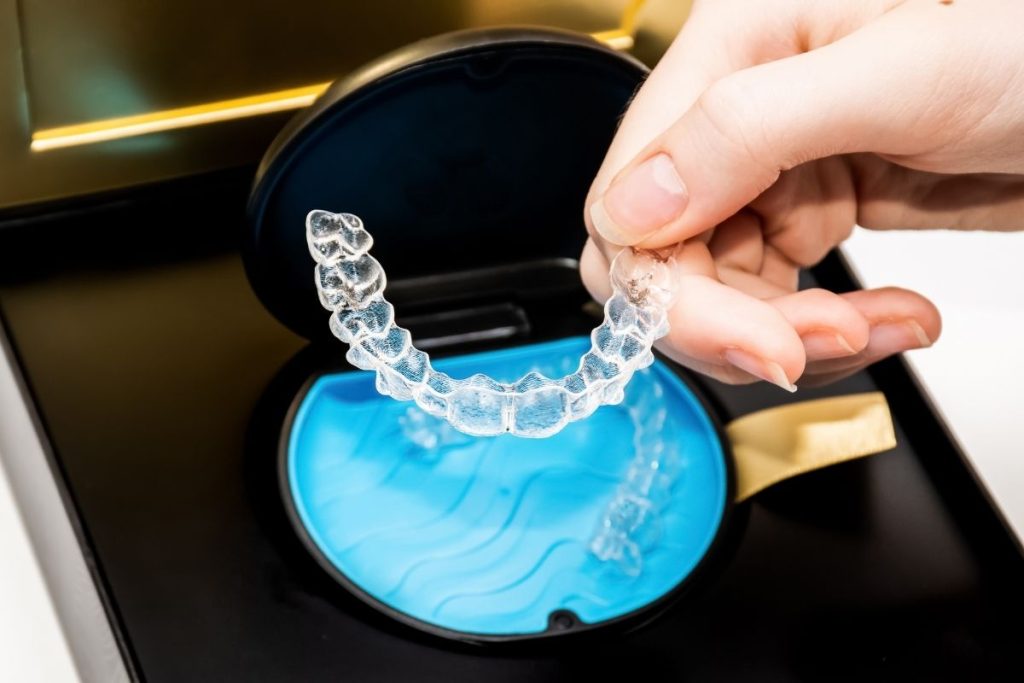
Straightening teeth is not just about appearance. It also improves bite balance, oral hygiene, and long-term dental health. Many patients want to know how clear aligners actually move teeth without wires or brackets. The process may seem simple on the surface, but there is a precise biological system behind every small adjustment.
The Science Behind Tooth Movement
Teeth are not fixed in place. They sit in bone and are supported by a ligament that allows controlled movement. When gentle pressure is applied, the body responds naturally.
In the early stages of treatment, Invisalign trays apply light, steady force to specific teeth. This pressure signals the bone around the tooth to begin reshaping. One side of the bone breaks down slightly while new bone forms on the other side. This process allows the tooth to shift into a new position over time.
Because the force is gradual, the movement feels more comfortable compared to sudden pressure. Each aligner builds on the last, guiding teeth step by step toward their final alignment.
How Aligners Guide Teeth Step by Step
Custom Treatment Planning
Before treatment begins, digital scans map out your current smile. A series of aligners is then designed to follow a planned path. Each tray represents a small stage in that journey.
Controlled Force Application
Every aligner is shaped slightly differently. When you switch to a new set, it continues applying pressure in a new direction. This controlled progression keeps movement predictable and efficient.
Consistency Matters
Aligners need to be worn for most of the day to stay effective. Skipping wear time can slow progress because teeth begin to shift back toward their original position.
Attachments and Refinements
Some cases require small tooth colored attachments. These help aligners grip the teeth better and apply more precise force when needed.
What Patients Can Expect During the Process
Treatment does not feel the same every day, but it should remain manageable.
- Mild pressure when switching to a new tray
This is a sign that the aligners are actively working - Gradual changes rather than sudden shifts
Movement happens in small, controlled increments - Regular check-ins
Your orthodontist monitors progress and makes adjustments if needed - Better comfort compared to traditional methods
Smooth aligners reduce irritation to cheeks and gums
Why Gradual Movement Leads to Better Results
Slow and steady movement protects both the teeth and the surrounding structures. Rushing the process can lead to discomfort or unstable results. Gradual shifting allows the bone to rebuild properly, helping teeth stay in their new position after treatment ends.
This approach also gives orthodontists more control. If something needs adjustment, it can be corrected early without disrupting the overall plan.
Ready to See Your Smile Transform
Your smile deserves a plan that works with your lifestyle and delivers steady, reliable results.
- Get a personalized evaluation tailored to your smile goals
- Learn how your treatment will progress step by step
- Ask questions and understand your options clearly
Schedule your consultation today with Eldorado Orthodontics and take the first step toward a confident smile. Visit our dental office in McKinney and meet a team that focuses on comfort, precision, and lasting results.
FAQs :
How long does it take to see changes?
Most patients notice small improvements within a few weeks, though full results take longer depending on the case.
Do aligners hurt?
You may feel slight pressure, especially with a new tray, but it usually fades within a day or two.
Can teeth move too fast?
No. Movement is carefully controlled to keep it safe and stable.
What happens if I skip wearing them?
Teeth can shift back, which may delay progress and require additional trays.