
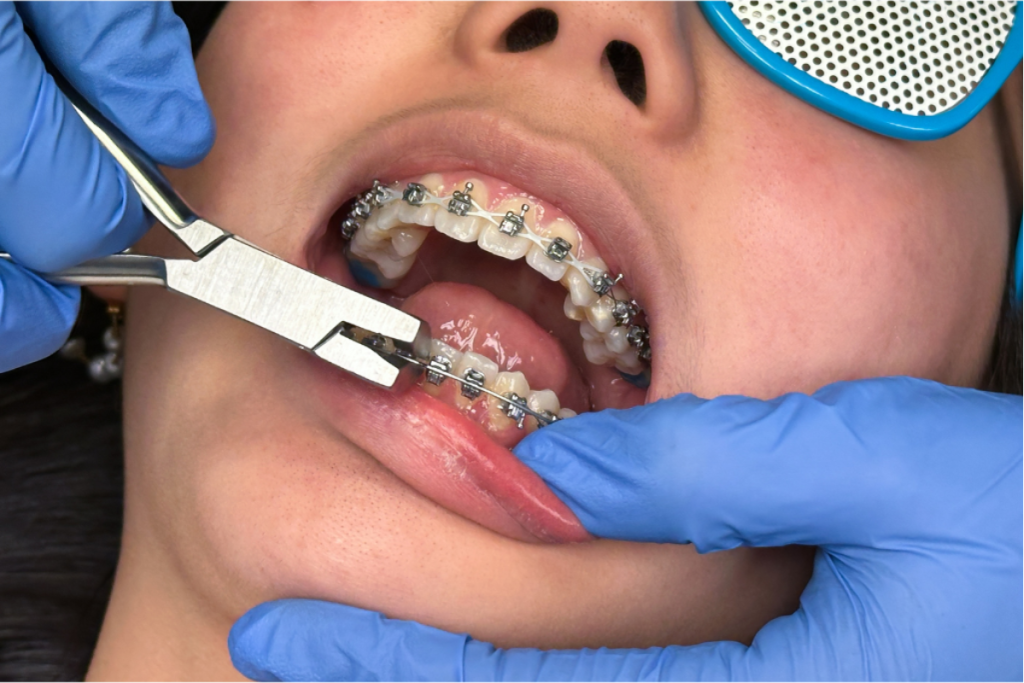
Orthodontic emergencies can strike when you least expect them. Whether it’s a sudden discomfort from a wire poking your gums or a loose bracket that makes eating painful, knowing how to respond can prevent unnecessary pain and protect your progress. Acting quickly and calmly is essential to keep your orthodontic treatment on track and avoid complications.
Understanding Orthodontic Emergencies
Orthodontic emergencies are situations where immediate attention is needed to prevent discomfort, injury, or damage to your braces or aligners. Common examples include a wire that has come loose, a bracket that detaches, or an aligner that doesn’t fit properly. While these situations can feel alarming, most can be managed at home temporarily before visiting your orthodontist. Recognizing the severity of the issue will help you determine whether it requires professional care or a simple at-home fix.
Steps to Handle Common Orthodontic Issues
When faced with an orthodontic emergency, the first step is to assess the situation calmly. If a wire is poking your cheek or gums, you can use a piece of orthodontic wax to cover the sharp end. This prevents irritation while you wait to see your orthodontist. For a loose bracket, gently repositioning it using clean fingers or removing it temporarily can reduce discomfort. Avoid cutting or bending wires yourself, as this can worsen the problem.
Dislodged or lost elastics can usually be replaced if you have spares. If a removable appliance like a retainer or aligner cracks or doesn’t fit, store it safely in its case and contact your orthodontist for guidance. Having a small emergency kit with orthodontic wax, tweezers, and spare elastics can make these situations easier to manage.
When to Seek Professional Help
Some orthodontic emergencies require prompt professional attention. Severe pain, a wire that has severely shifted teeth, or a bracket that is completely detached should be addressed by your orthodontist immediately. Ignoring these issues can slow down your treatment or even cause long-term dental problems. Orthodontic emergencies should always be taken seriously, and contacting your orthodontist is often the fastest route to relief.
At this point, it’s important to remember that professional guidance ensures not only comfort but also the health of your teeth and gums. If you ever feel unsure about whether an issue qualifies as an emergency, calling your orthodontist is the safest choice.
Preventing Orthodontic Emergencies
Prevention is often easier than dealing with an emergency. Avoid hard, sticky, or chewy foods that can damage braces or cause wires to shift. Keep up with regular orthodontic check-ups to catch potential problems early. Brushing and flossing carefully reduces the risk of irritation or infection that can turn minor issues into urgent concerns.
Regularly inspecting your braces or aligners helps you spot small problems before they escalate. If a wire feels slightly out of place or a bracket seems loose, contacting your orthodontist early can prevent it from becoming an emergency.
Expert Care in McKinney When You Need It
If you encounter an orthodontic emergency in McKinney, don’t wait in discomfort. The team at Eldorado Orthodontics provides personalized guidance to manage urgent issues and ensure your treatment stays on track. Whether you need advice over the phone or an in-office visit, professional support is available to restore comfort and confidence quickly.
Your smile is important, and responding promptly to orthodontic emergencies keeps your treatment timeline intact while minimizing pain. With the right steps and professional care, even unexpected situations can be managed smoothly.
Frequently Asked Questions
What qualifies as an orthodontic emergency?
An orthodontic emergency usually involves pain, injury, or damage that requires prompt attention. Examples include a poking wire, loose bracket, or broken appliance.
Can I fix a poking wire at home?
Yes, temporarily. You can use orthodontic wax to cover the sharp end, preventing irritation until your orthodontist can adjust it.
What should I do if I lose an aligner?
Store it safely in its case and contact your orthodontist immediately. They will advise on replacement or next steps in your treatment.
How can I prevent orthodontic emergencies?
Avoid hard or sticky foods, practice good oral hygiene, and attend regular orthodontic check-ups. Inspect your braces or aligners regularly for minor issues.
Does everyone need to visit the orthodontist for a minor issue?
If there is pain, discomfort, or potential damage to your appliance, it’s best to call your orthodontist. Professional guidance prevents complications.