
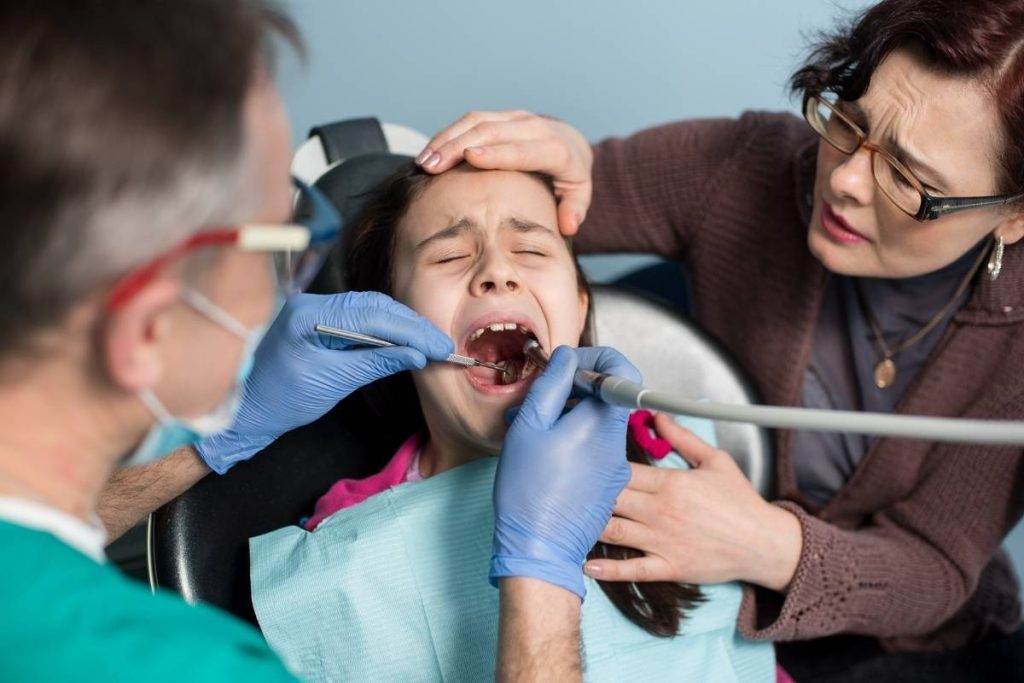
Orthodontic treatment often involves some soreness. Teeth move, pressure builds, and your mouth needs time to adjust. Most of the time, that discomfort fades quickly. But pain that lingers, swelling that worsens, or signs of infection should never be brushed off. Knowing what feels normal and what does not can protect your health and keep your treatment on track.
Normal Discomfort vs. Warning Signs
What usually feels normal
Mild tenderness after adjustments is common. Your teeth and gums respond to pressure, especially in the first few days. You might also notice slight swelling or sensitivity when chewing. These changes should improve steadily, not intensify.
When pain becomes concerning
If pain grows sharper instead of easing, or if it wakes you up at night, your body may be signaling a problem. In some cases, irritation from appliances can turn into inflammation. When symptoms escalate, it is wise to reach out to an emergency orthodontist for guidance rather than waiting it out.
Swelling That Should Not Be Ignored
Swelling is one of the clearest signals that something needs attention. A small amount of puffiness around the gums can happen, especially if food gets trapped. However, swelling that spreads, feels warm, or makes it hard to open your mouth points to a deeper issue.
Possible causes of swelling
• Gum irritation from trapped debris
• Pressure that affects the surrounding tissue
• Early infection developing around a tooth or appliance
Swelling that appears suddenly or worsens over a day or two deserves prompt care.
Signs of Infection During Treatment
Infections do not always start with severe pain. Often, they build quietly and show subtle changes before becoming serious. Paying attention to early signs can prevent complications.
Symptoms to watch for
• Persistent bad taste or odor that brushing does not fix
• Red, tender gums that bleed easily
• Fever or general feeling of illness
• Pus or discharge near the gums
If you notice any of these, do not delay. Infections can affect both oral health and overall wellness.
What to Do If Symptoms Appear
When something feels off, take simple steps first. Rinse gently with warm salt water, keep the area clean, and avoid touching irritated spots. Over-the-counter pain relief may help short term, but it should not replace professional care.
If pain, swelling, or signs of infection persist for more than a day, call your orthodontic office. Quick evaluation often prevents treatment delays and more serious problems later.
How to Reduce the Risk Going Forward
A few daily habits can reduce the risk of urgent issues during orthodontic treatment.
Helpful habits
• Brush carefully around appliances after every meal
• Use flossing tools designed for orthodontic care
• Avoid foods that stress brackets or wires
• Keep regular checkups, even when things feel fine
These small steps make a big difference over time.
When to Seek Immediate Care
Trust your instincts. If discomfort feels different from what was expected or if symptoms worsen instead of improving, it is better to be cautious. Early attention prevents minor problems from becoming major ones.
Get Help Fast in McKinney, TX
Your comfort matters in McKinney, TX
Pain or swelling should never leave you guessing. At Eldorado Orthodontics, we take urgent concerns seriously and respond quickly when your mouth needs attention.
Visit our dental clinic in McKinney, TX, and let our team help you feel better and stay on track with treatment. Call today and get the peace of mind you deserve.
Quick Answers Before You Call
Got questions? You are not alone. Here are a few common concerns patients often have.
Is pain after an adjustment normal?
Yes, mild soreness for a few days is expected. Pain that worsens or lasts longer needs evaluation.
Can swelling go away on its own?
Minor swelling may settle, but spreading or painful swelling should be checked right away.
Should I stop wearing my appliance if it hurts?
Do not stop unless instructed. Call your orthodontic office for advice first.
How fast should I act if I suspect infection?
As soon as possible. Early care prevents complications and keeps treatment moving forward.