
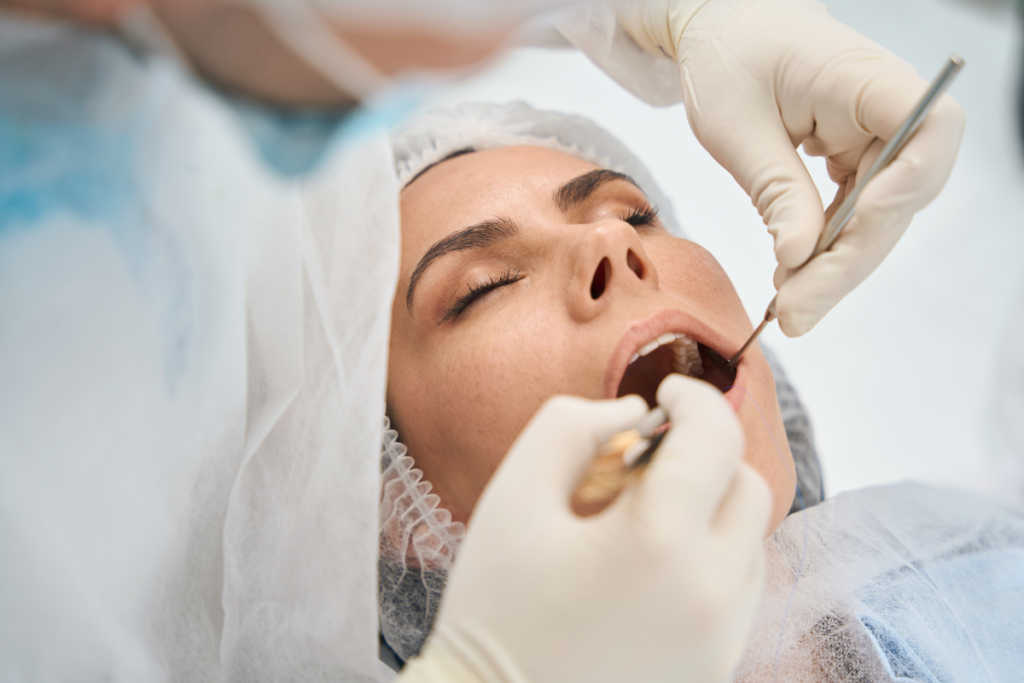
Preparing for corrective jaw surgery is a big step toward improving your bite, comfort, and overall quality of life. While the procedure itself is carefully planned, what you do ahead of time can make a huge difference in how smoothly everything goes. If you take the right steps now, you can feel calmer, more confident, and ready for a successful recovery.
Understand Your Treatment Plan
Your surgical process should never feel confusing. Take time to review your treatment plan with your care team. Ask questions about timelines, healing expectations, and follow-up visits. When you understand what will happen and why, you can walk into surgery with peace of mind.
Discuss Pre-Surgery Requirements
Your orthodontist and surgeon may ask you to complete certain steps before the procedure, such as updated scans, impressions, or adjustments to your braces. This is also the perfect moment to talk about jaw alignment surgery and how it fits into your full orthodontic plan. The more aligned your team is, the more predictable and comfortable your experience becomes.
Prepare Your Home for Recovery
Your healing space should feel easy, calm, and accessible. Place frequently used items where you can reach them without bending or stretching. Set up your bedroom or couch with extra pillows so you can rest in a slightly elevated position. Stock your fridge and pantry with soups, broths, smoothies, and soft foods you know you enjoy. Making these changes early prevents unnecessary stress when you come home from surgery.
Plan Time Away From Work and Activities
Give yourself enough downtime. Most patients need at least one to two weeks away from work or school, depending on the type of surgery and their daily responsibilities. Clear your schedule, pause unnecessary commitments, and let people know you will be unavailable. Healing well now helps you get back to normal sooner.
Prepare Your Personal Essentials
Before surgery day, gather everything you will want nearby. Comfortable clothing with front closures, lip balm, a humidifier, and a water bottle with a soft straw can make a surprising difference. Place chargers, medication instructions, and entertainment within easy reach.
Follow Pre-Surgery Eating Guidelines
Your surgeon will give you specific eating instructions for the night before your procedure. Follow them closely. Many patients need to stop eating or drinking after a certain time to keep surgery safe. Plan your meals in advance so you do not feel rushed.
Stay on Top of Oral Hygiene
A clean mouth helps promote smoother healing. Brush gently but thoroughly and follow any rinsing routine your orthodontist recommends. If you wear braces, pay special attention to cleaning around brackets and wires.
Arrange Transportation and Support
You will not be able to drive yourself home after surgery. Ask a trusted family member or friend to take you to the surgical center and stay available for the first day or two. Having someone you trust nearby makes the transition home far more comfortable.
Review Medication Instructions
Your care team may give you prescriptions ahead of time. Fill them early so you do not have to stop by a pharmacy after surgery. Read the instructions and keep everything organized in one place.
Calm Your Mind the Night Before
It is completely normal to feel nervous before surgery. Try spending the evening in a way that relaxes you. Dim the lights, listen to something soothing, or watch a favorite show. A peaceful mindset supports a smoother start to recovery.
Ready for a Confident Start? Your mckinney Team Is Here
If you want guidance that feels personal and steady, schedule a consultation in mckinney with Eldorado Orthodontics. Our team walks you through every step so you feel prepared, supported, and ready for a successful corrective jaw surgery experience.
Frequently Asked Questions
How long does recovery usually take?
Most patients see steady improvement within two weeks, though full healing can take several months depending on the procedure.
Will I need a liquid diet?
Yes, you will start with liquids and gradually move to soft foods. Your surgeon will outline a timeline that matches your healing.
Is swelling normal after surgery?
Swelling is expected and typically peaks within the first few days. Cold compresses and elevation help reduce discomfort.
Do I need someone with me at home?
It is recommended to have support for at least the first twenty-four to forty-eight hours as you adjust to medication and mobility.