
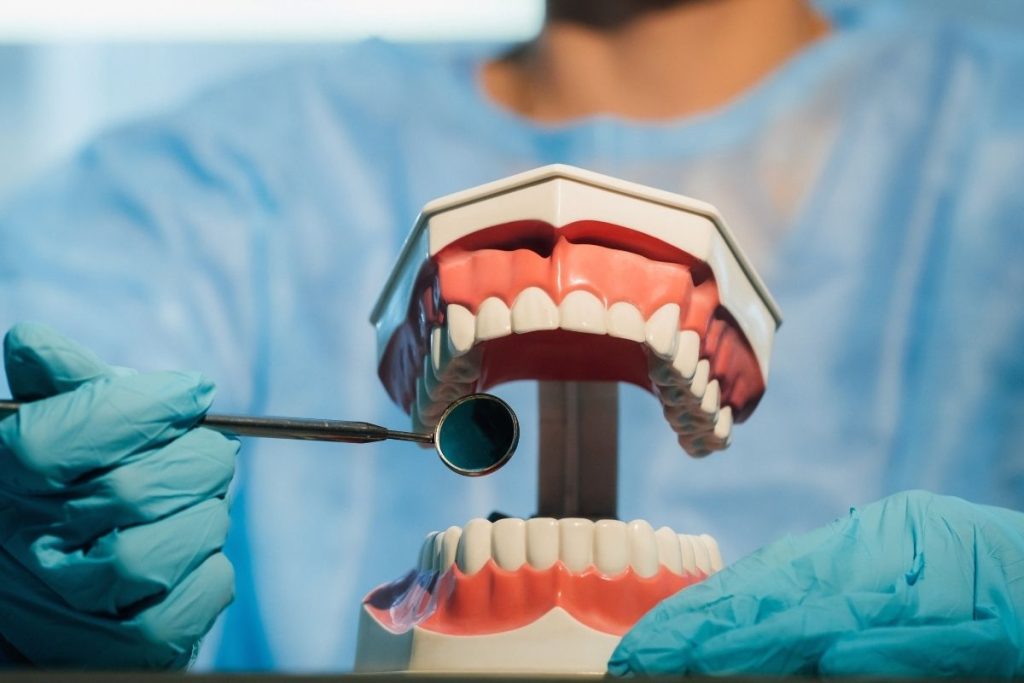
In many cases, people ignore mild discomfort or crowding until it begins to interfere with daily life. That is where orthodontic treatment can play an important role in correcting alignment and improving overall dental function.
Common Signs You Should Not Ignore
Crowded or Overlapping Teeth
When teeth overlap or twist, it becomes harder to clean between them. This increases the risk of plaque buildup and gum irritation. Even mild crowding can lead to long-term oral health concerns if left untreated.
Gaps Between Teeth
Spacing issues are not just about appearance. Gaps can trap food particles and affect how evenly pressure is distributed when you bite down. Over time, this can impact surrounding teeth and gums.
Frequent Biting of Cheeks or Tongue
If you often bite the inside of your cheeks or tongue while eating or talking, your teeth may not be aligned properly. This is a common sign that your bite needs attention.
Jaw Discomfort or Clicking Sounds
A clicking or popping sound in your jaw, especially when opening or closing your mouth, can signal alignment issues. Some people also experience soreness or stiffness, which should not be ignored.
Bite Problems That May Need Attention
Not all alignment concerns are visible at first glance. Bite issues can develop quietly and affect daily function.
Overbite
Upper teeth extend too far over the lower teeth. This can lead to enamel wear and strain on the jaw over time.
Underbite
Lower teeth sit in front of the upper teeth. This can affect chewing efficiency and facial balance.
Crossbite
Teeth do not align properly when the mouth is closed. This can cause uneven wear and, in some cases, gum recession.
Open Bite
Front teeth do not touch when the mouth is closed. This often affects speech and the ability to bite into foods properly.
Let’s Get Your Smile Back on Track
If any of these signs sound familiar, it may be time to take a closer look. A personalized evaluation can help you understand what is happening and what steps make sense for your smile.
- Get a clear understanding of your dental alignment
- Learn about treatment options tailored to your needs
- Take a proactive step toward better oral health
Visit our dental office in McKinney for a one-on-one consultation and expert guidance from the team at Eldorado Orthodontics. Your smile deserves attention that is thoughtful, precise, and built around you.
Why Early Evaluation Matters
Ignoring alignment concerns does not make them go away. In fact, they often become more complex over time. Addressing these issues early can help preserve tooth structure, support gum health, and improve overall comfort.
A professional evaluation provides clarity on what is happening beneath the surface. Even if the issue seems minor, understanding your options can help you avoid more involved procedures later.
Everyday Clues You Might Notice
Sometimes the signs are subtle and show up in daily habits. Pay attention to these changes:
- Difficulty chewing certain foods
Food may not break down evenly, which can strain your teeth and jaw - Speech changes
Misaligned teeth can affect how you pronounce certain words - Teeth grinding or clenching
Often linked to bite issues and can lead to enamel wear - Shifting teeth over time
Teeth can move as you age, even if they looked straight before - Uneven tooth wear
Some teeth may appear shorter or more worn due to improper contact
FAQs :
How do I know if my alignment issue is serious?
If it affects your comfort, chewing, or oral hygiene, it is worth getting evaluated. Even small concerns can grow over time.
Can adults benefit from treatment?
Yes, adults of all ages can improve alignment and function with the right approach.
Is jaw pain always related to alignment?
Not always, but alignment issues are a common cause and should be ruled out by a professional.
Do teeth continue to shift as I age?
Yes, gradual shifting is common and can change your bite or spacing over time.
When should I get an evaluation?
As soon as you notice changes in your bite, discomfort, or tooth positioning. Early insight makes a difference.