
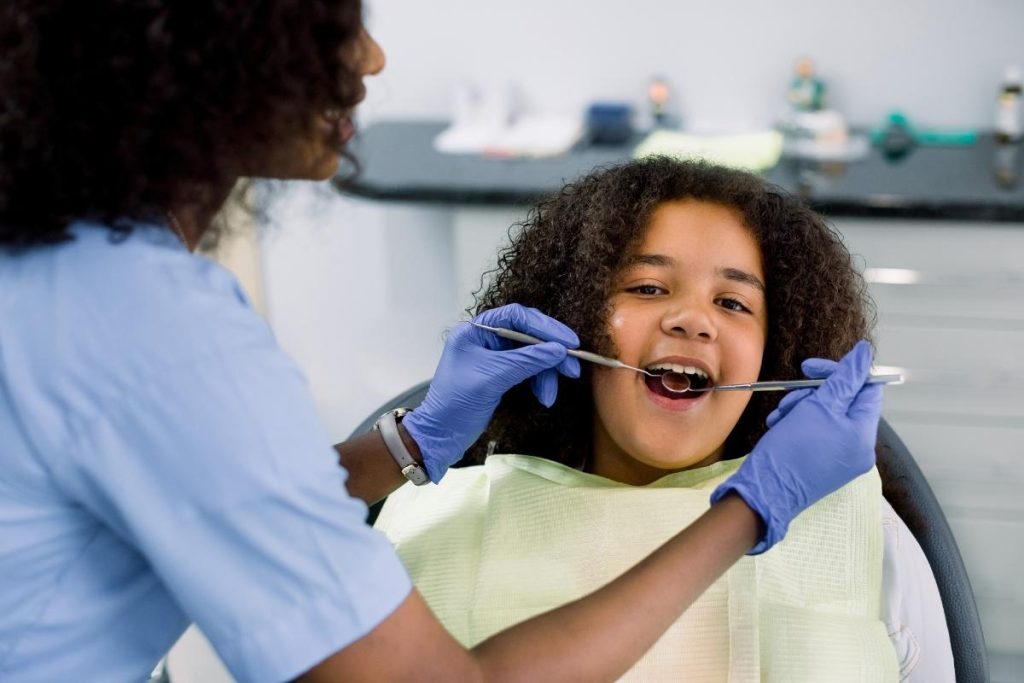
Children’s smiles change quickly as they grow, and those early years shape how their teeth and jaws develop. Addressing alignment concerns at the right time can make a meaningful difference in both oral health and confidence. Parents often wonder whether it is too soon to think about orthodontic care, but starting at the appropriate stage can prevent more complicated issues later on.
In many cases, early orthodontic treatment helps guide jaw growth, correct bite concerns, and create space for incoming permanent teeth. Rather than waiting for problems to become more noticeable, early evaluation allows orthodontists to step in when a child’s development is most responsive.
Why Timing Matters in Orthodontic Care
Guiding Jaw Growth
A child’s jaw is still developing, which makes it easier to influence how it grows. When addressed early, certain bite problems can be corrected before they fully form, reducing the need for more complex care in the future.
Creating Space for Permanent Teeth
Crowding often starts when there is not enough room for adult teeth to emerge. Early care can help maintain or create proper spacing, lowering the chances of extractions or extensive adjustments later.
Reducing Risk of Dental Issues
Misaligned teeth can make brushing and flossing harder. By improving alignment early, children can maintain better oral hygiene and reduce the risk of cavities and gum problems.
Long-Term Benefits for Children
Some advantages show up quickly, while others continue into the teenage years and beyond.
- Improved bite function
Children can chew and speak more comfortably when their bite aligns properly. - Lower chance of injury
Protruding teeth are more likely to get damaged during falls or sports. Correcting their position helps protect them. - Boosted confidence
Kids often feel more comfortable smiling and interacting when their teeth look more balanced. - Shorter treatment later
Early intervention can simplify or reduce the length of future orthodontic care.
What Parents Should Watch For
Parents play a key role in noticing early signs that may need attention. These signs do not always mean treatment is required, but they are worth discussing with an orthodontist.
- Difficulty chewing or biting
- Mouth breathing or thumb sucking habits
- Early or late loss of baby teeth
- Teeth that appear crowded or spaced unevenly
- Jaws that shift, pop, or make sounds
If any of these patterns show up, an evaluation can help determine the next steps.
A Thoughtful Approach to Growing Smiles
Orthodontic care for children is not about rushing into treatment. It is about observing growth and stepping in only when it truly benefits the child. Each case is different, and the goal is to support natural development while preventing complications. Families in McKinney often find that early evaluations provide clarity and peace of mind, even if treatment is not immediately needed.
Helping Your Child Feel Comfortable
Children respond best when they understand what is happening and feel supported.
- Keep conversations simple and positive
- Encourage good brushing and flossing habits
- Maintain regular dental visits
- Ask questions during consultations to stay informed
Creating a calm and reassuring environment helps children feel more confident throughout their care.
A Confident Smile Starts Early
If you have noticed changes in your child’s teeth or bite, it may be time to explore your options. A timely evaluation can make all the difference in guiding healthy development and avoiding future complications.
- Schedule a visit to understand your child’s needs
- Get personalized guidance from experienced professionals
- Take the first step toward a healthier smile
Connect with Eldorado Orthodontics today and take a proactive approach to your child’s smile. Visit our dental office in McKinney to learn more and schedule a consultation that fits your family’s needs.
FAQs :
At what age should my child see an orthodontist?
Most children benefit from an evaluation around age seven, when permanent teeth begin to come in.
Does every child need early treatment?
No. Some children only need monitoring, while others may benefit from early intervention.
Is early care uncomfortable for kids?
Modern techniques focus on comfort, and most children adjust quickly.
Will this replace braces later?
Not always. Early care can reduce complexity, but some children may still need additional treatment in their teens.